

FLAG: SEYCHELLES
IMO NUMBER: N/A
CALL SIGN: S7L2493
PORT OF REGISTRY: PORT VICTORIA
YEAR BUILT/PLACE BUILT: 2008 / SRI LANKA
TYPE OF VESSEL: PILOT BOAT
TOP SPEED: 20 KNOTS
LENGTH OVERAL: 13.70 METERS
MAX DRAUGHT: 2.54 METERS
GROSS TONNAGE: 31.93 TONNES
FUEL CAPACITY: 2000 LITERS
MAIN ENGINE MAKE: YANMAR
ENGINE POWER: 396 HP X 2
Commercial Port
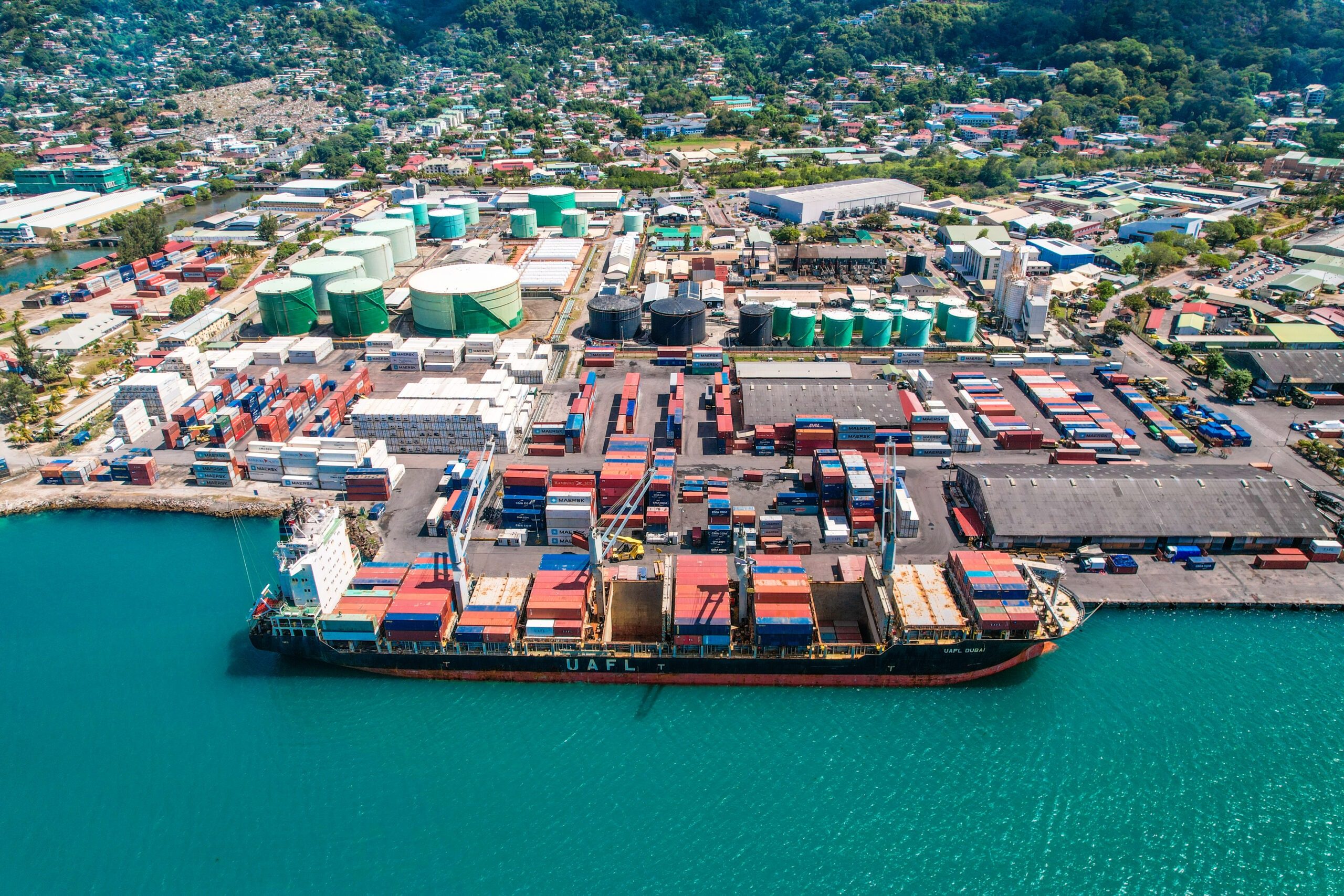
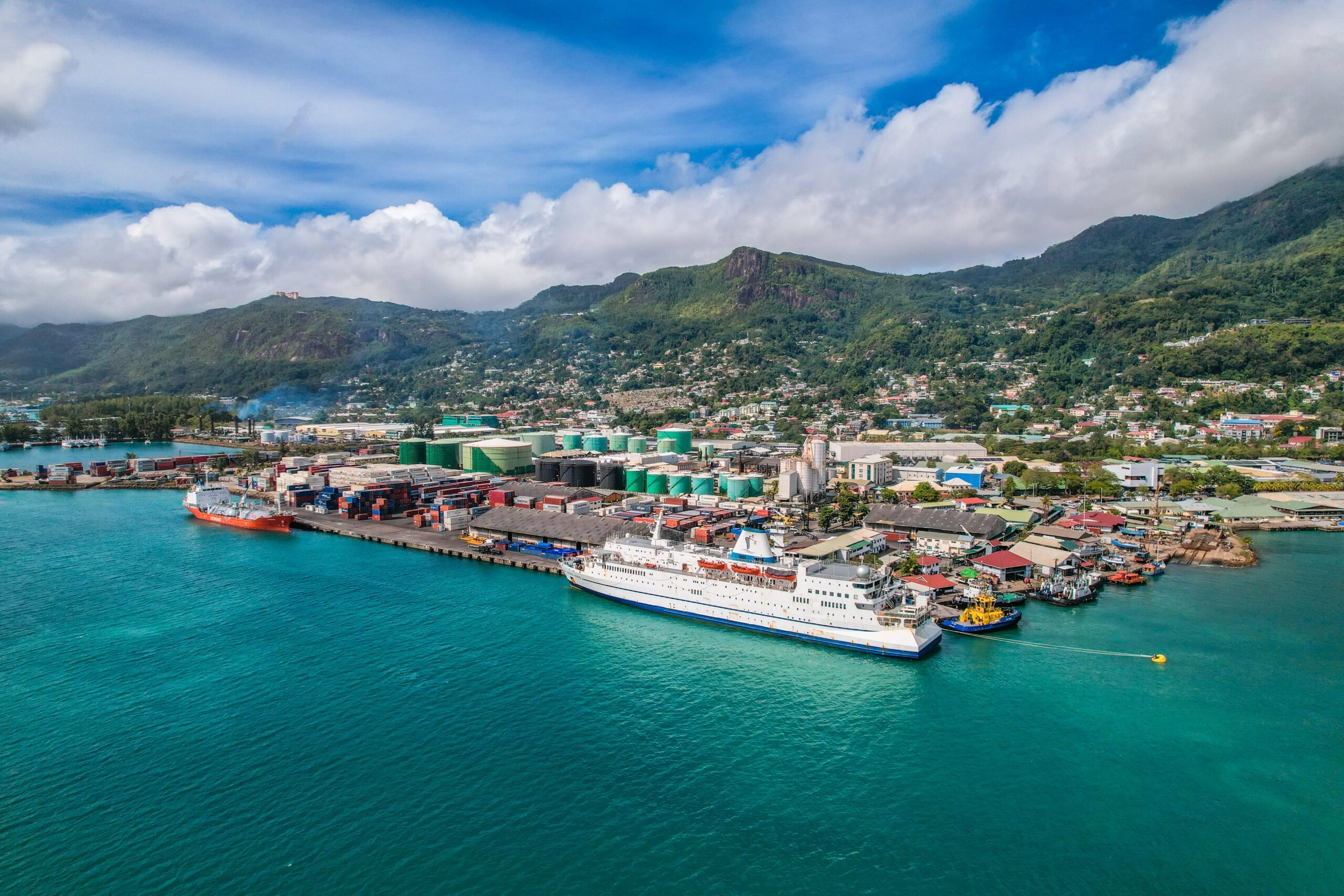
Mahe Quay is the only deep-water facility capable of accommodating container vessels, petroleum tankers and large cruise ships. It is currently frequented by container vessels, general cargo vessels, petroleum product tankers, cement tankers, cruise ships, military vessels, purse seiners, reefer vessels and superyachts.
It is a 369m long deck-on-pile quay that and was built in 2 stages:
- The first section of 264m with depth alongside of -10.5m ACD, accommodating vessels with drafts up to 9m, called Halcrow Quay, was built in 1972 and became operational in 1973.
- The next section of 105m with depth alongside of -12.3m, accommodating vessels with drafts up to 11.5m, called Norplan Quay, became operational in 1985.
The Commercial Port was designed to accommodate vessels carrying break bulk cargo in their holds, discharged and loaded by derricks on board the vessels. As such, three large transit sheds were built close to the quay in 1972 to ease transportation of cargo from ship to store.
Containers only made their appearance in Seychelles in 1981, when the then port operator, Union Lighterage Company (ULC), began investing in stackers to move containers around the port. It then became necessary to allocate space on the port for container storage. This was facilitated by reclamation of the area now known as the Ex-Coast Guard area, which was originally occupied by the Seychelles Coast Guard before they moved to their current location in 2011.
Container & General Cargo
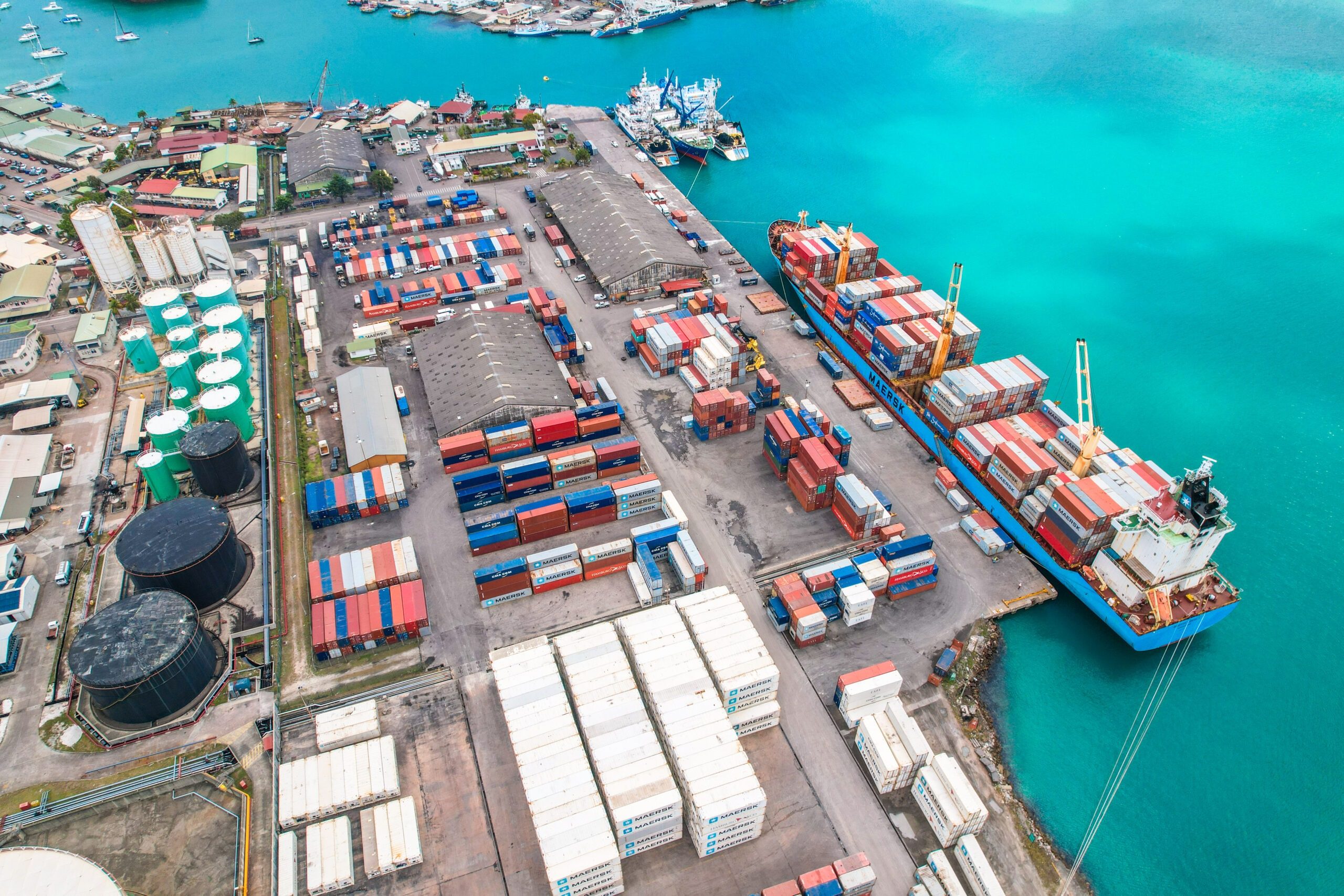
Due to the design of the quay, only geared container vessels can discharge and load at Mahe Quay. In addition to the limits imposed by the depth alongside the quay, it can accommodate to vessels with a maximum draft of 11.5m.
Three major container vessel shipping lines call at Mahe Quay:
- CMA-CGM (French) once a week
- Mærsk A/S (Danish) once a week
- UAFL (Emirati) every three weeks (depending on number of containers)
Containerised and general cargo operations is currently being undertaken by Land Marine Limited (LML); a role the company has played since 1994, when LML was granted a lease by th
for all the land within the Commercial Port area. This lease gave LML the mandate to undertake containerised, general cargo and break bulk cargo operations. At the expiry of their lease, the head lease for the land parcels at the Commercial Port were transferred to the Seychelles Ports Authority, who in turn subleased it to LML under similar conditions as the original sublease.
Petroleum Terminal
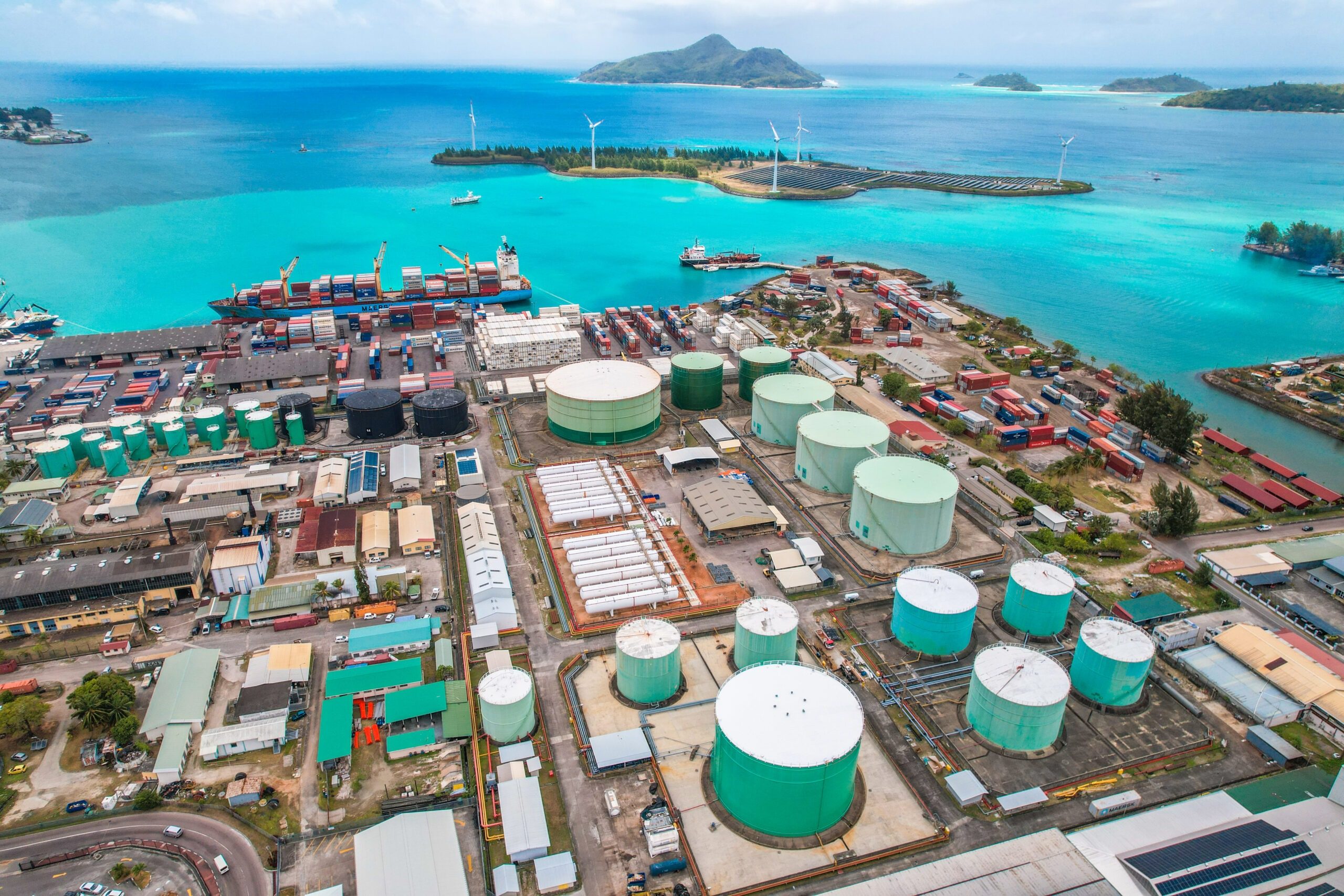
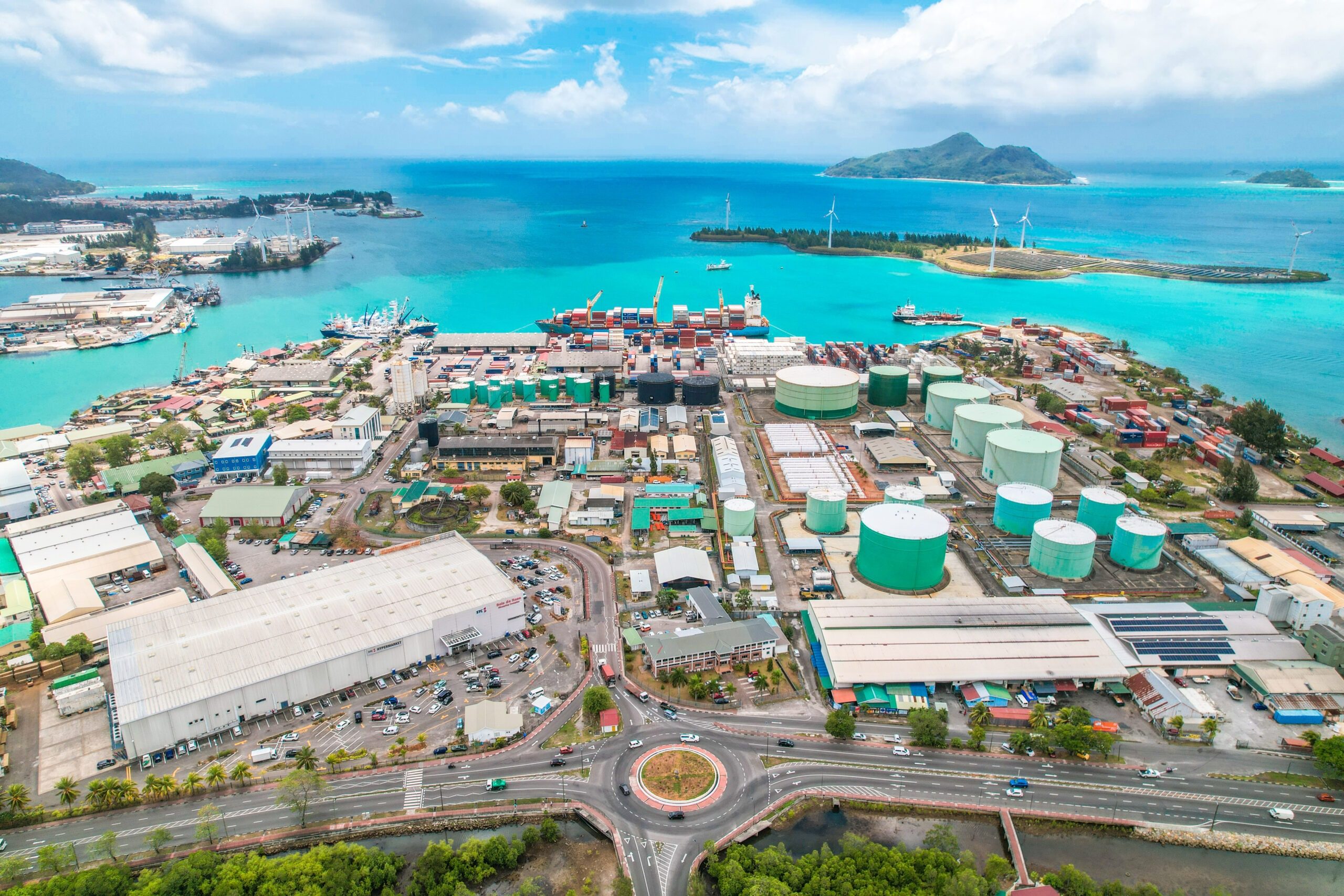
The petroleum terminal at the Commercial Port covers an area of over 70,000 square metres. It is leased by the Government of Seychelles and managed by the Seychelles Petroleum Company Limited (SEYPEC). SEYPEC, which is wholly owned by the Government of Seychelles has existed since 1985. The petroleum terminal is a critical infrastructure for the Seychelles, serving as a vital hub for the import, storage, and distribution of petroleum products throughout the Seychelles for the domestic market, including households, businesses such as hotels, energy production by the Public Utilities Corporation (Government owned enterprise responsible for providing electricity and water), and transportation sectors, as well as being storage of these products for exportation to the region. The terminal’s facilities include a network of storage tanks and pipelines, designed to handle a variety of petroleum products, including diesel, motor gasoline, liquid petroleum gas (LPG), and aviation fuel. The terminal is capable of storing up to 153,000 metric tons of fuel (diesel, motor gasoline, aviation fuel) and 2,150 metric tons of LPG.
Oil tankers call at Mahe Quay roughly once a month and while an LPG tanker calls every 3 months. Pipelines carrying petroleum from the vessels run in an open trench from the southern end of the Mahe Quay runs across the container terminal towards the petroleum terminal.
Beyond its domestic role, SEYPEC also plays a significant role in the international shipping industry, providing bunkering services to vessels calling into Port Victoria, particularly fishing vessels. This service contributes to SEYPEC’s revenue and enhances the Seychelles’ position as a maritime hub.
The company employs skilled personnel to oversee the terminal’s operations, maintain its facilities, and adhere to strict safety standards. In addition to its domestic and bunkering operations, SEYPEC owns and operates a fleet of tankers. Other than domestic tanker Seychelles Paradise that supplies fuel to the island of Praslin, these handy size tankers are operated by German Tanker Shipping in the international oil trade, enabling it to participate in the global market and generate additional revenue.
SEYPEC invests heavily in young Seychellois mariners, giving them opportunities to work on its tankers as navigators and engineers. Several SPA high ranking officers were previously employed on SEYPEC’s tankers and rose to through the ranks.
SPA derives revenue from SEYPEC mostly through pipeline dues as defined in the Harbour Dues Regulations and from port and berthing fees from the oil and LPG tankers.
Cruise Ships
The cruise ship season normally runs between October to May every year. During these 6/7 months Seychelles experiences fairer weather, which attracts cruise ships. Shipping lines with vessels calling at Port Victoria are:
- Crystal Cruises
- Silver Sea
- Inchcape Shipping Services
- Norwegian Cruise Line Holdings
- MSC Cruises
- The Ritz-Carlton Yacht Collection
- Silversea Cruises
- Scenic Ocean
- Bernhard Schulte Cruise Services GmbH & Co. KG
- Ponant
- Noble Caledonia
- Hapag-Lloyd Cruises
- AIDA Cruises
- Costa Cruises
With only 369m of quay, it is at times necessary for cruise ships to be berthed stern to stern with their bows overhanging in the north and south when there are two cruise ships berthed simultaneously or when a container vessel has to share the quay with a cruise ship.
SPA generates revenue from cruise ships from passenger fees, vessel port and berthing fees as defined in the Harbour Dues Regulations.
Bulk Cement
The cement terminal is located adjacent to the container terminal, on a plot of land measuring 2,709 square meters leased to the SPA by the Government of Seychelles. The terminal features five cement silos with a capacity to hold 8,000 tons of cement, fed by bulk cement carriers calling at Mahe Quay, and bagging plant. The cement terminal is currently operated under a sublease agreement by Cementis (Seychelles) Limited who acquired the previous operator, Lafarge (Seychelles) Limited, in 2022. The latter has been operating the cement terminal since 2004. The cement terminal has existed since the 1970’s to facilitate the construction of the Seychelles International Airport and the Commercial Port and was originally operated by a company called Baobab Cement.
Over the years, Lafarge (Seychelles) Limited had undertaken some upgrades on the terminal and the pipelines leading to it from the berth at Mahe Quay. In 2012 a new, larger pipeline replaced the existing pipeline to increase transfer rate, and in 2014 a new 35m high 4,000-ton silo was constructed to double the capacity of the terminal. This investment allowed Lafarge (Seychelles) Limited to reduce the frequency
of bulk carriers, reduce unit cost of cement and stabilise availability of cement on the market. Over the years since then, as the construction sector continues to grow, the general trend has been an increase in the number of vessel calls to cater for the increase in demand for cement.
Once stored, a percentage of the bulk cement is subsequently packaged into biodegradable 50-kilogram and 25-kilogram paper bags for distribution to wholesalers and retail customers and the rest is sold in bulk to large construction companies equipped with concrete mixer trucks. This dual approach enables Cementis (Seychelles) Limited to cater to both large-scale construction projects and individual consumers.
While Cementis (Seychelles) Limited faces stiff competition from other importers who sell bagged cement imported in containers, it emerged as a lifeline for Seychelles during the COVID-19 years of 2019-2022. At that time, container shortages and shipping delays led to cement shortages and price hikes, which in turn increased construction costs. Bulk carriers, unaffected by these constraints, continued to deliver cement to Seychelles, alleviating the shortage and stabilizing prices.
SPA generates revenue from the bulk cement operations through pipeline dues and, vessel port and berthing fees as defined in the Harbour Dues Regulations.
Our Fishing Ports
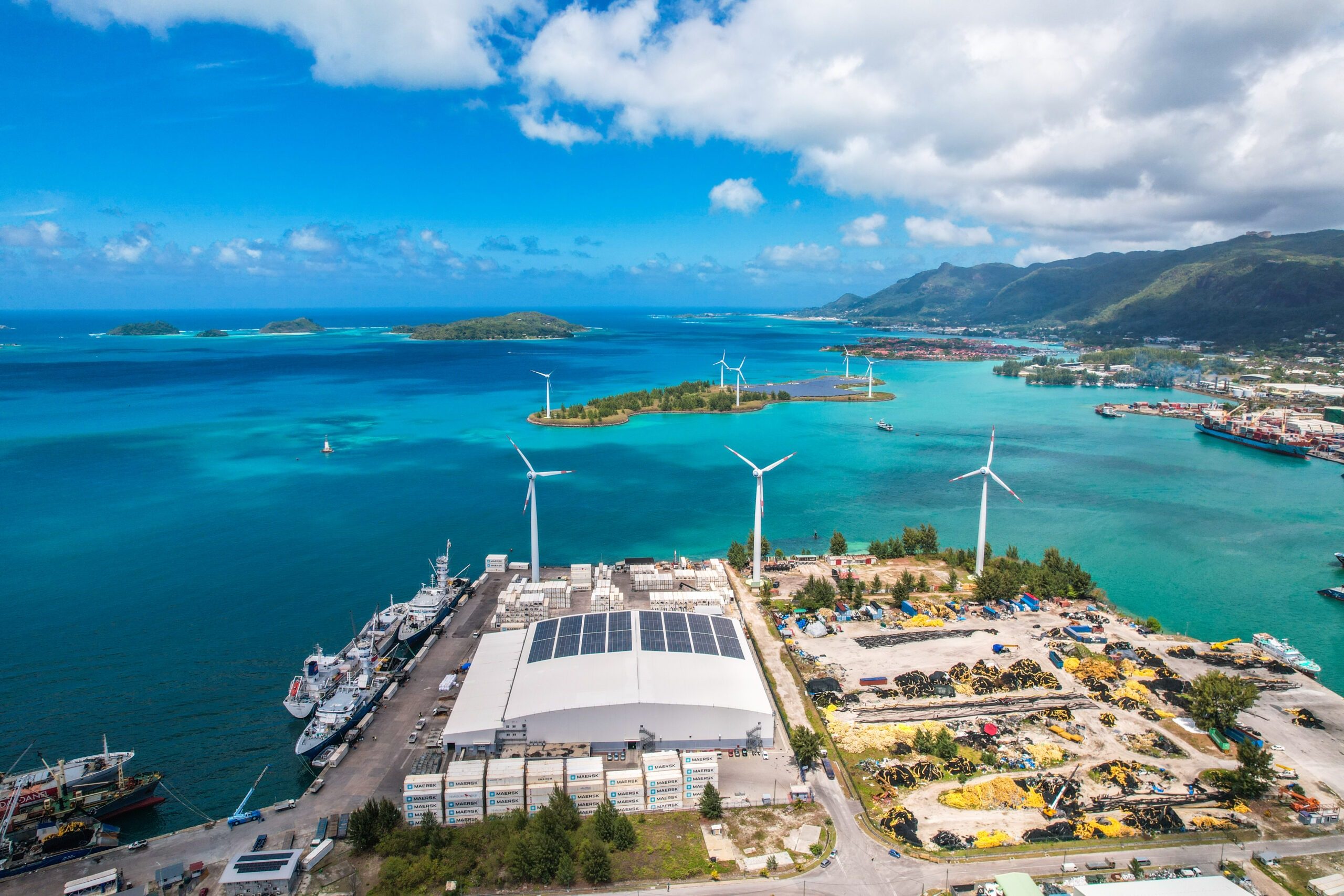
SPA manages the Industrial Fishing Port in Victoria, the IOT factory, one of the largest tuna canneries in Africa, as well as the Net Repair Quay – Zone 14, IPHS Fishing Port and the latest major addition — CCCS.
Industrial Fishing Port
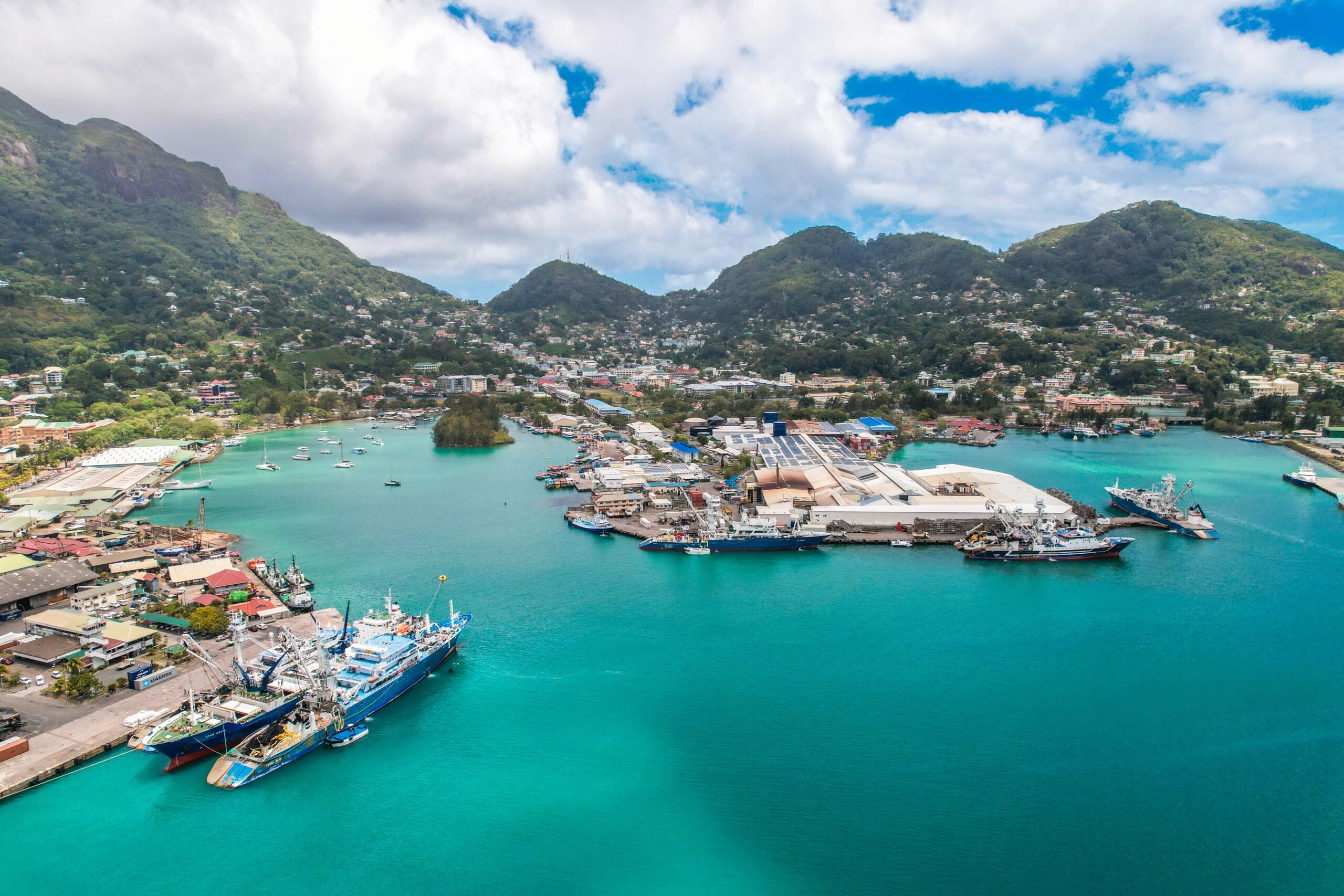
In the 1980’s the Government of Seychelles realised the potential of exploiting Seychelles’ natural strategic advantage of close proximity to the tuna fishing grounds, started investing heavily in the fishing industry, starting with the Industrial Fishing Port. This port was designed to provide all the support services to purse seiners and the tuna fishing industry. Despite the current poor state of the marine infrastructure, the port remains a vital hub for landing, processing, and exporting tuna.
This port facility is owned by the SPA who manages berth allocation. A handful of stevedoring companies, including Hunt Deltel Stevedoring Limited, Seaward Company (Proprietary) Limited, Land Marine Limited, and Aquarius Shipping Agency Limited, handle the laborious task of unloading tuna from fishing vessels. These companies employ a large number of stevedores who work tirelessly to transfer the catch from the vessels’ holds into nets, which are then lifted and emptied into fish loaders or into reefer vessels. The discharged fish is subsequently transported to reefer containers or directly to the nearby Indian Ocean Tuna Limited canning factory.
SPA generates revenues from the Industrial Fishing Port from port and berthing fees paid by the vessels and fees for various activities performed by stevedoring companies operating on the port such as transhipment fees as defined in the Harbour Dues Regulations.
Tuna Canning Factory
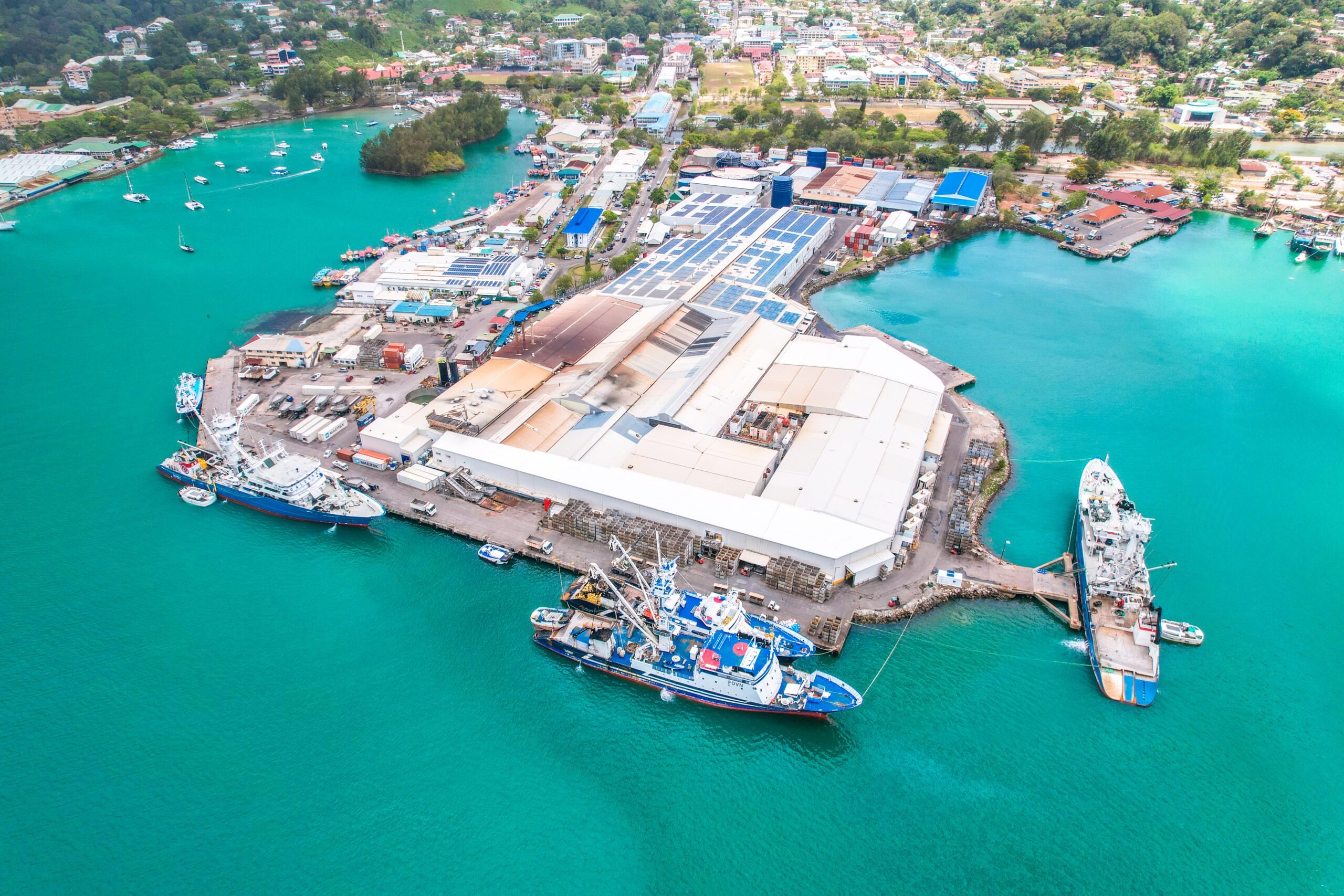
The Industrial Fishing Port is home to the Ocean Tuna Limited (IOT) factory, one of the largest tuna canneries in Africa. As a major employer in Seychelles, IOT sustains over 1,800 jobs, a substantial portion of which are held by expatriate workers.
IOT’s operations are centred around the processing and export of tuna products. The plant’s daily output averages between 1.5 and 2 million cans of tuna. To maintain this production rate, IOT sources tuna primarily from purse seiners calling at the Industrial Fishing Port. However, during periods of insufficient local supply, the company may import tuna from other fishing grounds.
The cannery’s processed tuna products are distributed globally, with the European Union being a major market. These products are sold under renowned seafood brands such as John West and Petit Navire.
IOT’s history traces back to 1995 when it acquired Conserveries de l’Océan Indien (COI), a government-owned cannery established in 1987. Today, IOT is a joint venture between the Seychelles government (40%) and Thai Union Group (60%). Since its acquisition, IOT has experienced significant growth. The workforce has expanded from 900 to approximately 1,800 employees, and the processing capacity has increased from 50 metric tons per day to 335 metric tons per day.
IOT plays a pivotal role in Seychelles’ economy, contributing significantly to the nation’s export earnings. The company accounts for 95% of Seychelles’ manufacturing exports and 88% of its exports to the European Union (EU). The majority of IOT’s canned tuna products are shipped to European markets, particularly France, Italy, and the UK.
SPA generates revenues from the factory through the sublease fee paid by IOT.
Net Repair Quay – Zone 14
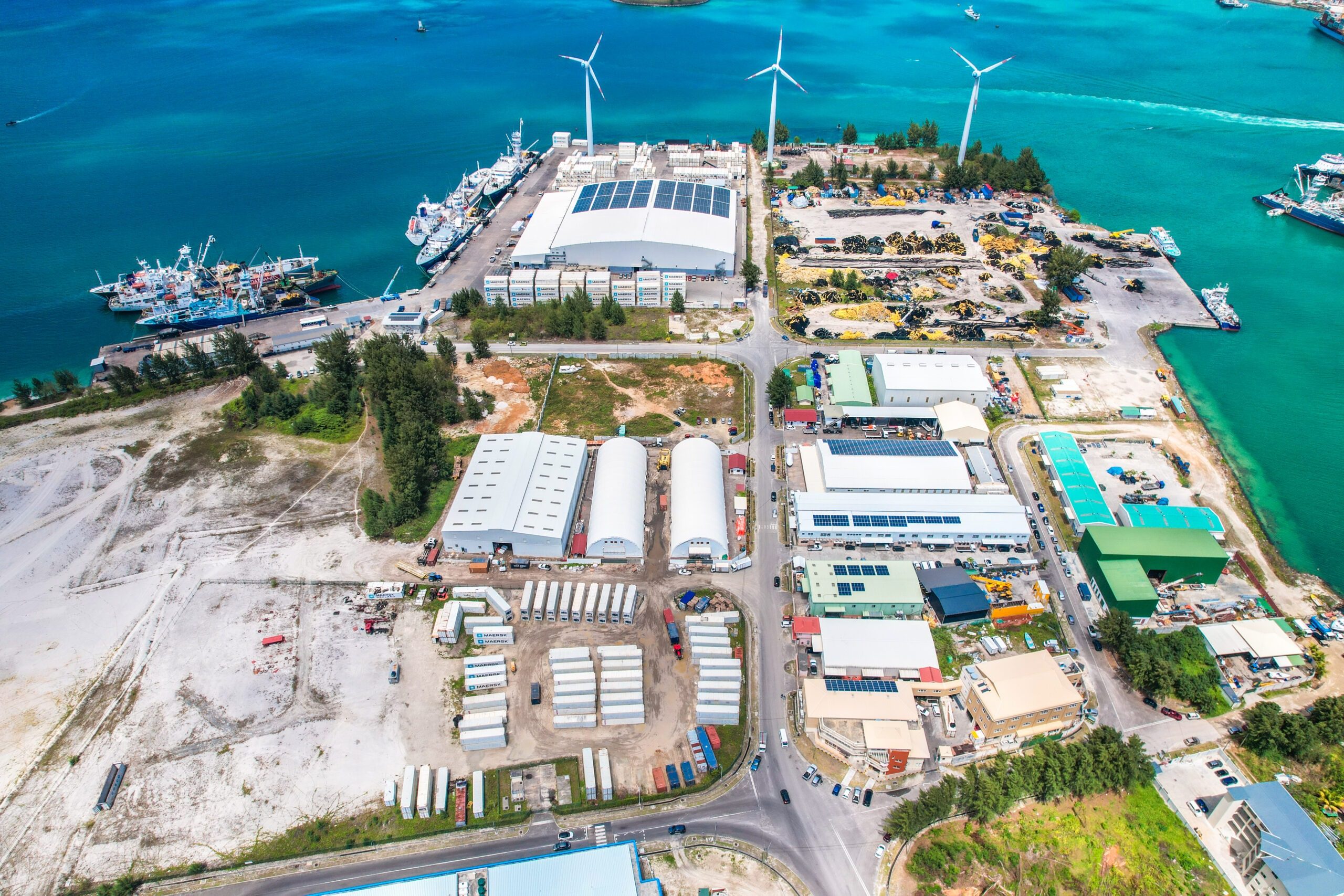
Net repair is a critical aspect of the tuna fishing industry. These massive structures used to encircle schools of tuna, are subjected to immense stress from the weight of the catch, rough seas, and marine life.
The process involves a highly skilled workforce that meticulously inspects nets for damage, such as tears, holes, and frayed ropes. Damaged sections are then cut out and replaced with new netting material. Repair techniques vary depending on the severity of the damage, but they often involve splicing, knotting, and sewing.
The Net Repair Quay was built on Zone 14 to provide a berth for purse seiners to drop their damaged nets and to pick up repaired ones. The back of quay facility features a large area where lanes of nets are laid out for reparation.
While the quay is owned and managed by the SPA, the back of quay area is owned and managed by the Seychelles Fishing Authority, who subleases several parcels of land to various operators in the fishing industry.
SPA generates revenue from this quay through net repair fees, port and berthing fees as defined in the Harbour Dues Regulations.
Handling Services
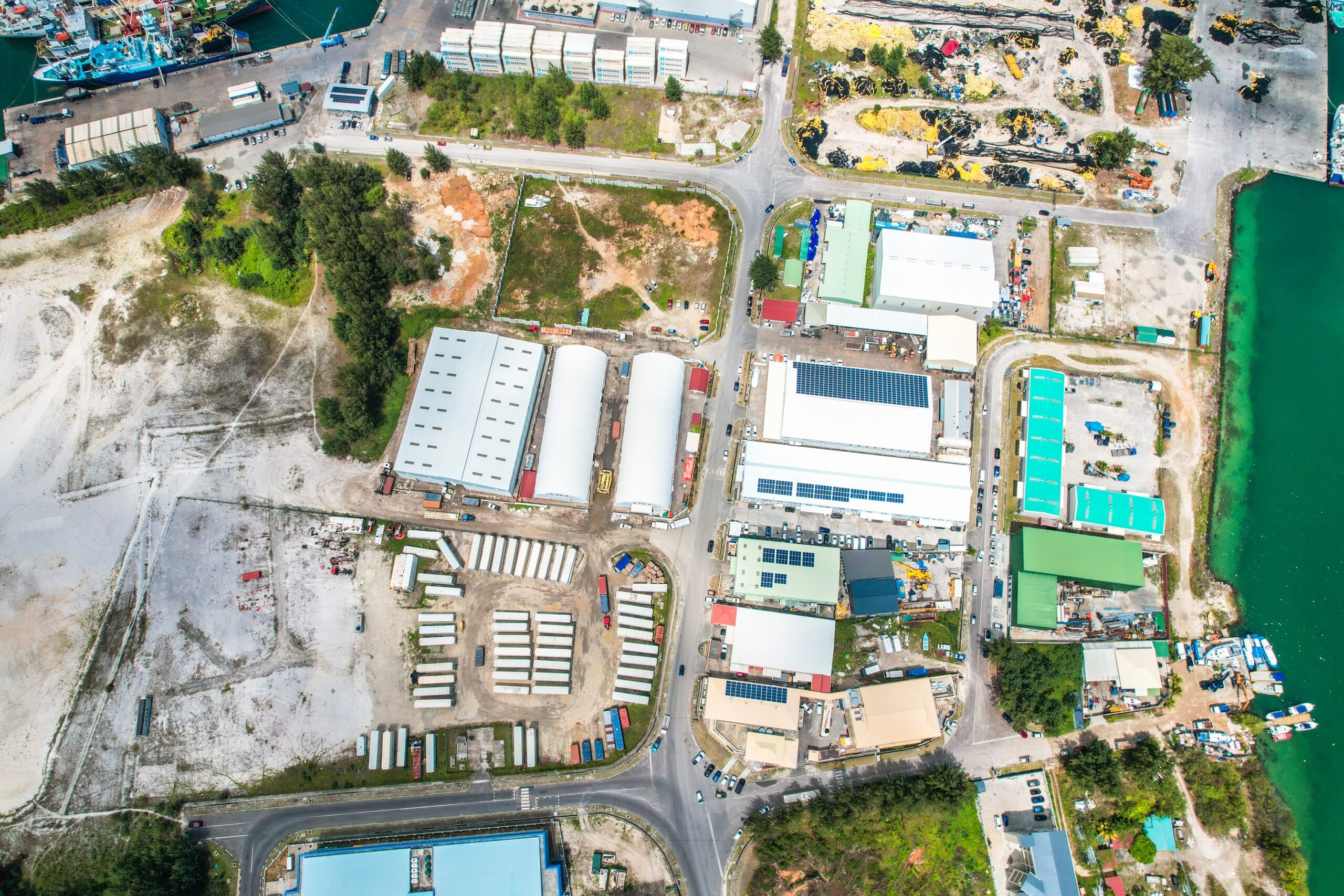
Ile du Port Handling Services (IPHS) is a public-private partnership that was established in 2014. Its existence has boosted the importance of Seychelles as a tuna hub. The facility composes of a 425-meter quay, expansive container yard, and is adjacent to the Central Common Cold Store facility on Ile du Port, which permits it to provide a comprehensive range of services to support the operations of industrial fishing vessels.
The port’s infrastructure enables efficient berthing, bunkering, loading, and discharging operations. IPHS’ stevedoring team targets to ensure the fastest possible turnaround time for vessels. The company’s services extend beyond basic port operations to include specialised services such as reefer container management, transshipment, sorting, and cross-stuffing.
IPHS also plays a crucial role in the broader supply chain of the Seychelles fishing industry. The company’s fleet of trailer trucks facilitates the movement of containers from the facility to the Commercial Port, where they are loaded on container vessels. Additionally, IPHS offers short-term and long-term reefer container storage, pre-trip inspections, and monitoring services to ensure the quality and integrity of tuna being exported.
SPA generates revenue from IPHS through a sublease fee and port fees paid by vessels calling at its facility. Berthing fees are collected by IPHS.
Central Common Cold Store
The Central Common Cold Store (CCCS) is the latest major addition to the host of supporting services offered by Port Victoria to the fishing industry. It is an EU-approved cold storage facility located adjacent to IPHS on Ile du Port.
The facility features ten cold stores maintained at -20°C, capable of accommodating approximately 10,000 tons of product. Additionally, two cold stores are maintained at -40°C, offering storage for around 2,600 tons of product. These advanced storage facilities ensure the optimal preservation of tuna and other marine products, safeguarding their quality and extending their shelf life.
CCCS offers a comprehensive range of services, including receiving, sorting, grading, and sizing of tuna by species. This meticulous process ensures that products are categorised according to their quality and specifications, meeting the stringent requirements of international markets. By implementing rigorous cold chain management practices, CCCS guarantees that products maintain their freshness and nutritional value throughout the storage process.
One of the significant advancements at CCCS is the introduction of a new service that allows customers overseas to receive pre-sorted and graded tuna. This innovative approach streamlines the supply chain and reduces processing time for importers.
The facility’s commitment to quality, safety, and sustainability is evident in its adherence to international standards. CCCS’s advanced tracking systems enable real-time monitoring of product inventory and temperature, ensuring transparency and accountability. By leveraging innovative technology and experienced personnel, CCCS strives to deliver exceptional cold storage solutions that meet the evolving needs of the global seafood market.
SPA does not directly generate revenues from CCCS but rather indirectly through the increasing throughput of frozen fish exported in containers.
Domestic Port Facilities
SPA manages the Inter-Island Quay in Port Victoria; offering both passenger ferry services & cargo operations, as well as the Bel Ombre Jetty, Eve Island Cargo Terminal, ERO Passenger Terminal and the La Digue Passenger & Cargo Terminals.
Inter-Island Quay
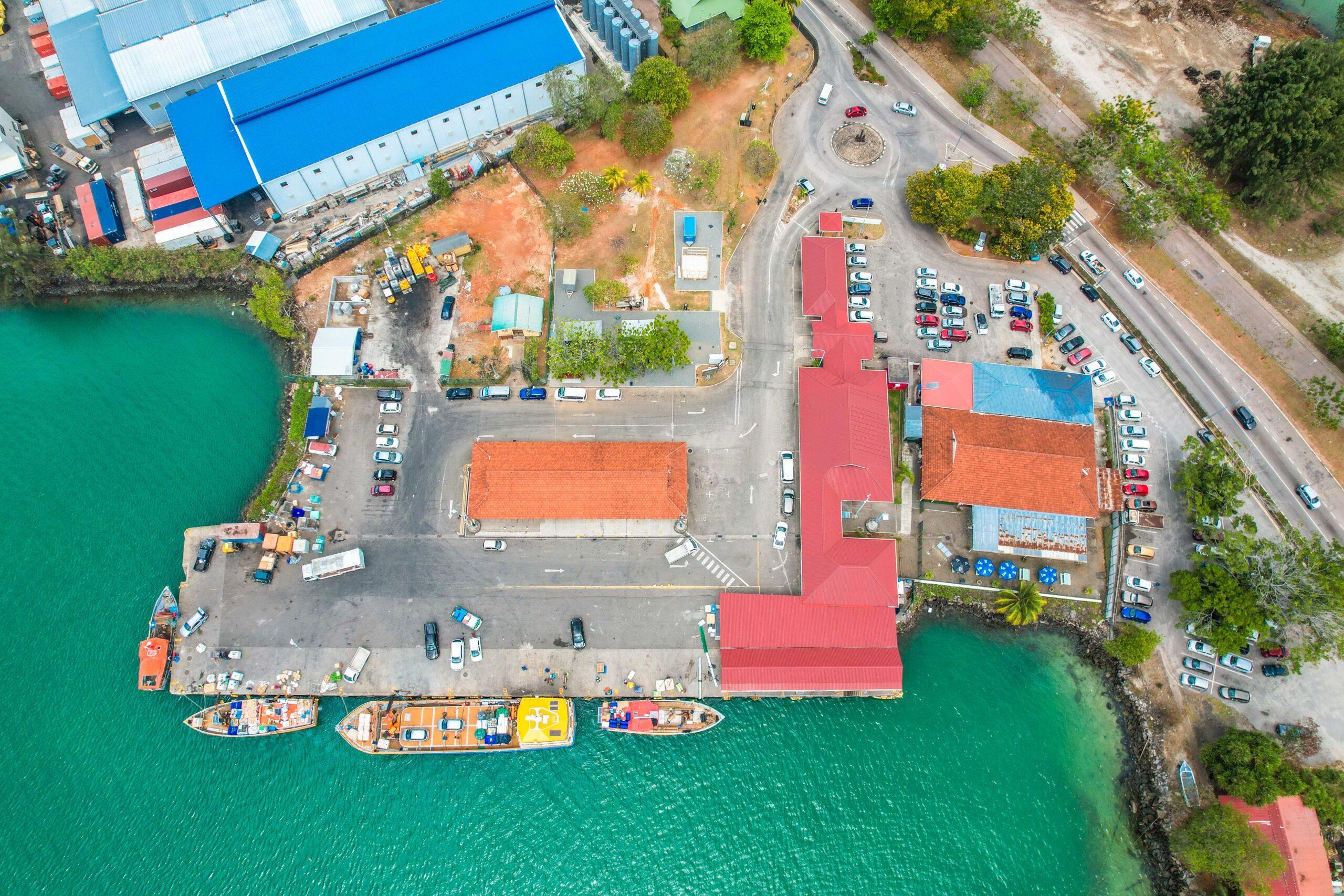
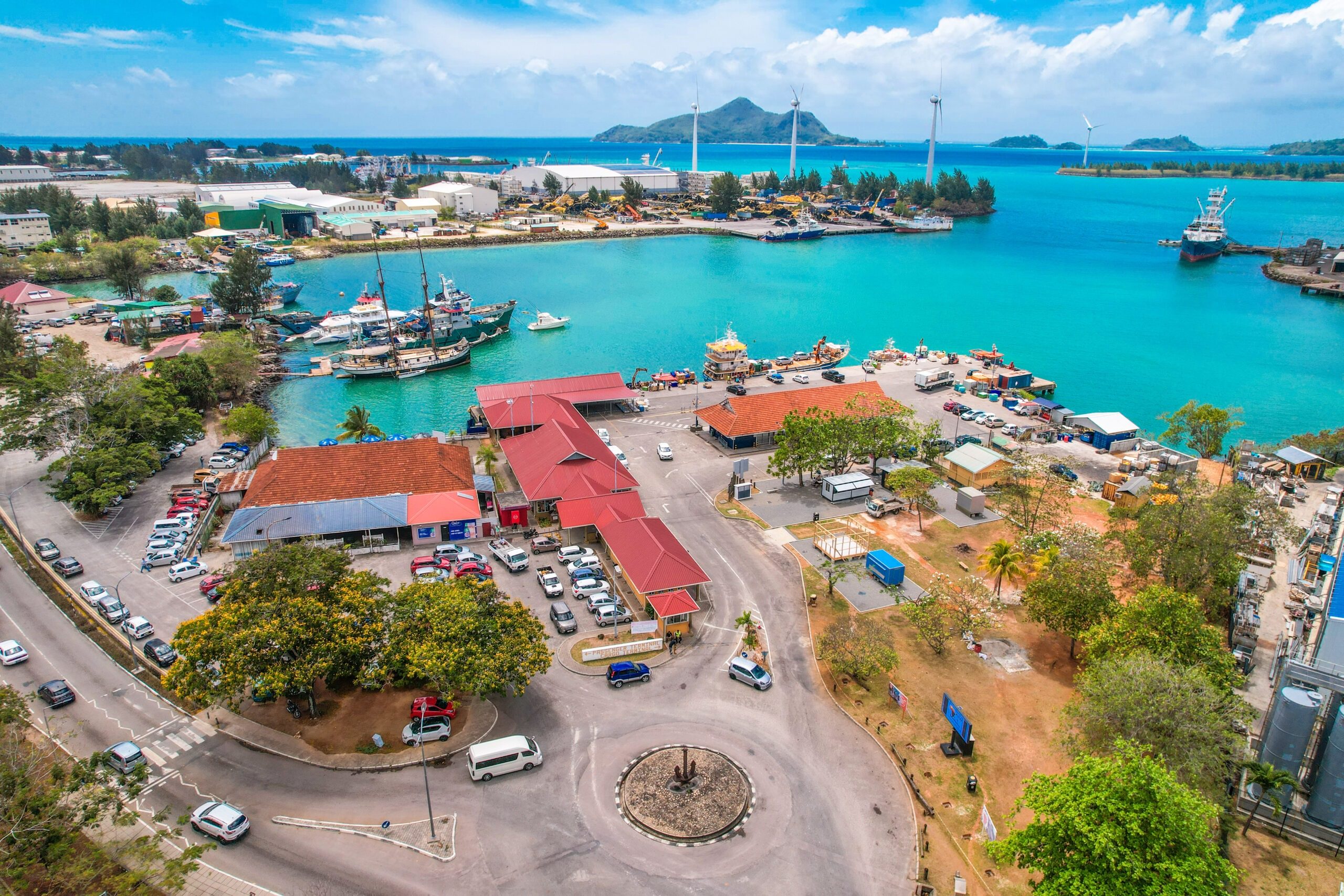
The Inter-Island Quay, situated in Port Victoria, serves as a vital link between the main island of Mahé and the islands of Praslin and La Digue. Owned and managed by the Seychelles Ports Authority, this multipurpose terminal caters to both passenger and cargo traffic, playing a crucial role in the country’s tourism and trade sectors.
Passenger Ferry Services
The Inter-Island Quay is primarily known for its ferry services, which transport a significant number of tourists to Praslin and La Digue. Inter-Island Boats Limited trading as Cat Cocos dominates the passenger ferry operations from this quay. The company boasts a fleet of five fast ferries, the smallest of which, Isle of La Digue, which undertakes the La Digue route, sits 227 passengers and the largest, Pride of Praslin, sits 500 passengers. These vessels are designed to provide fast and comfortable journeys for passengers. The regular service between Mahe and the inner islands have opened up the tourism market and brought more tourists to these islands and catalysing socio-economic development on these islands.
Cargo Operations
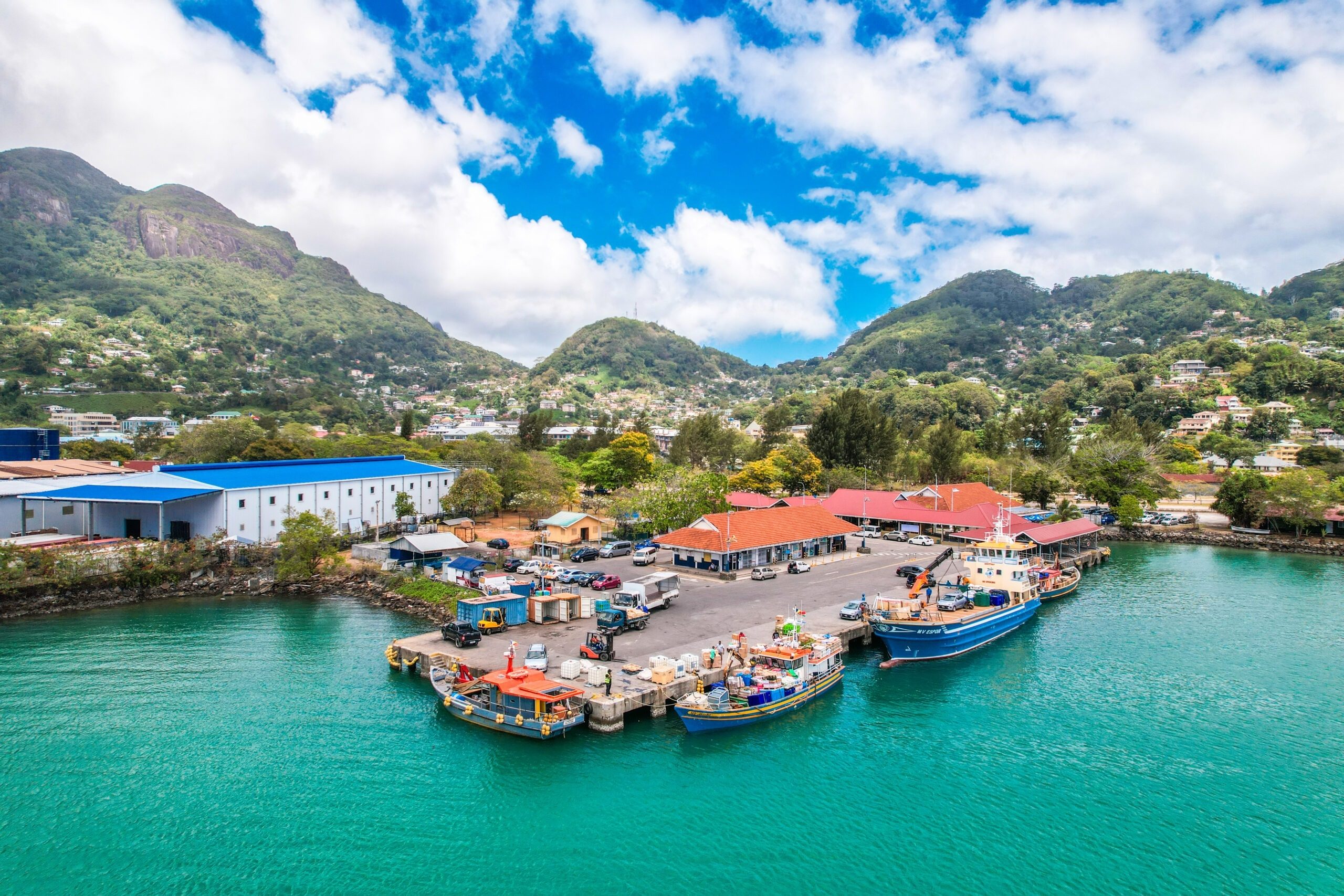
In addition to passenger ferries, the Inter-Island Quay also handles cargo vessels, including landing crafts, and locally fabricated wood and fibre glass hulled vessels that transport break bulk cargo and a smaller quantity of containerized goods (20 foot containers mostly) to Praslin and La Digue. These vessels play a vital role in supplying the islands with essential goods and materials for their own development.
The three below vessel operators currently call at the Inter-Island Quay on a regular schedule:
- Mr. Peter Payet operating vessel La Belle Seraphina
- Cargo des Iles operating vessel MV Espoir
- Service (Pty) Ltd operating vessel MV Ahroha
Other cargo operators may call as and when they are chartered.
The aging 105-meter quay is insufficient to accommodate the growing demand for both passenger and cargo services. The lack of dedicated berthing space for passenger vessels can at times lead to congestion and delays. Moreover, the coexistence of passenger and cargo activities on the same quay can pose safety risks and operational inefficiencies.
To address these issues and increase the port’s capacity, SPA is planning to build a new passenger terminal on the Inter-Island Quay to improve passenger comfort and experience, provide modern amenities and efficient boarding procedures. Furthermore, in the medium term, SPA aims to build a new quay specifically for inter-island cargo operations closer to the Commercial Port. This dedicated cargo facility will alleviate congestion at the Inter-Island Quay and streamline cargo handling processes. By separating passenger and cargo activities, the port will be able to operate more efficiently and safely.
SPA generates revenues for the Inter-Island Quay and other domestic port facilities from berthing fees and fees for other onshore activities being undertaken by the vessel operator and other back of quay operators as defined by in the Harbour Dues Regulations.
Bel Ombre Jetty
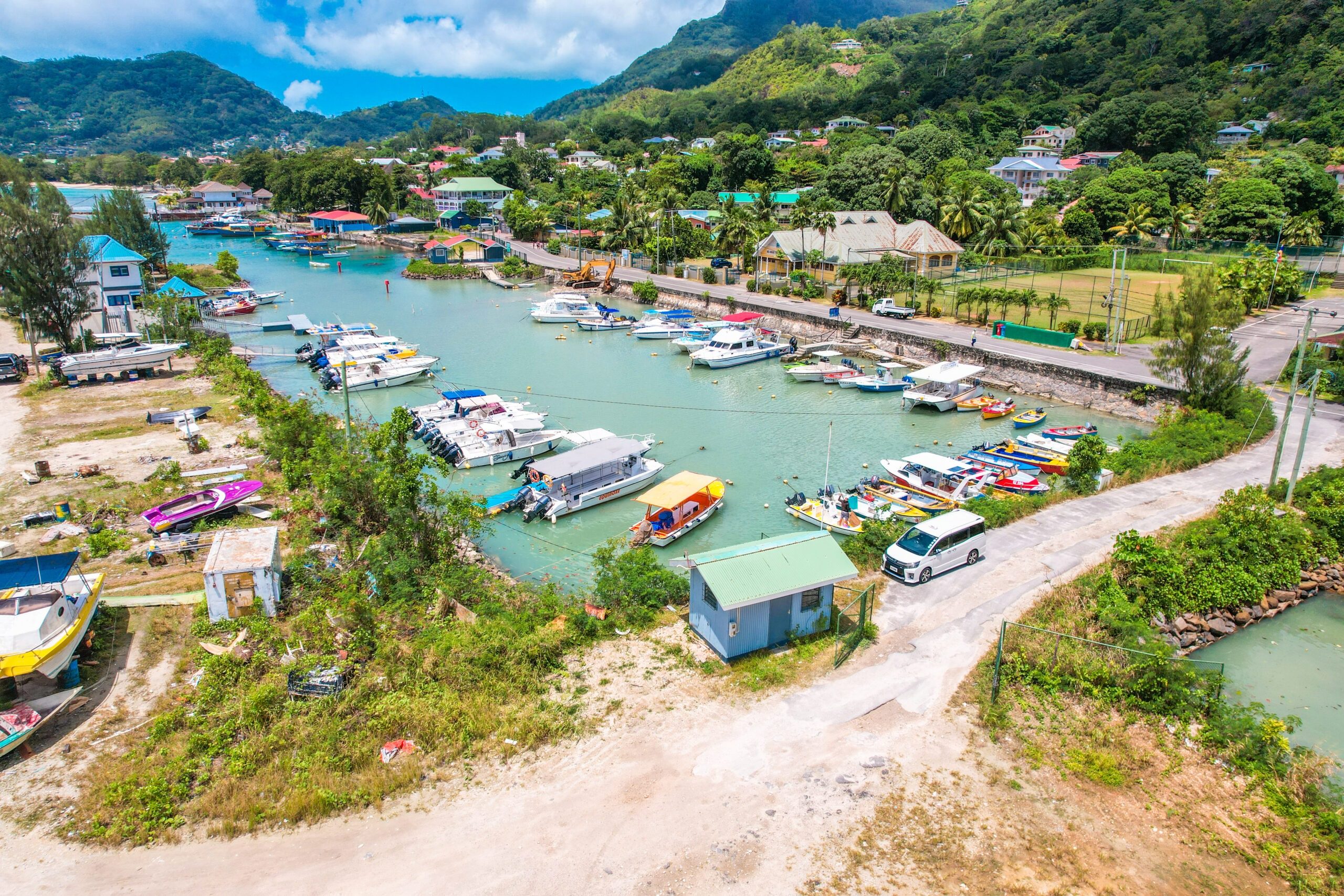
The SPA was mandated to manage the berthing of leisure crafts at the Bel Ombre public mooring area in 2018. This facility accommodates both fishing boats and leisure crafts. To ensure efficient management and safety, the SPA has set up a Pier Master’s Office and assigned a Pier Master to oversee operations.
Some of the surrounding lands have been leased to the SPA, which, in turn, has subleased them to private entities to develop various maritime- and tourism-related projects, to cater to the growing demand for leisure boating and fishing activities in the northern region of Mahé.
The development of the Bel Ombre port facility is expected to yield several benefits for the region, such as the enhancement of safety standards through the implementation of regulations and the supervision of a Pier Master and stimulating economic growth by creating jobs and attracting investment particularly in tourism.
Eve Island Cargo Terminal
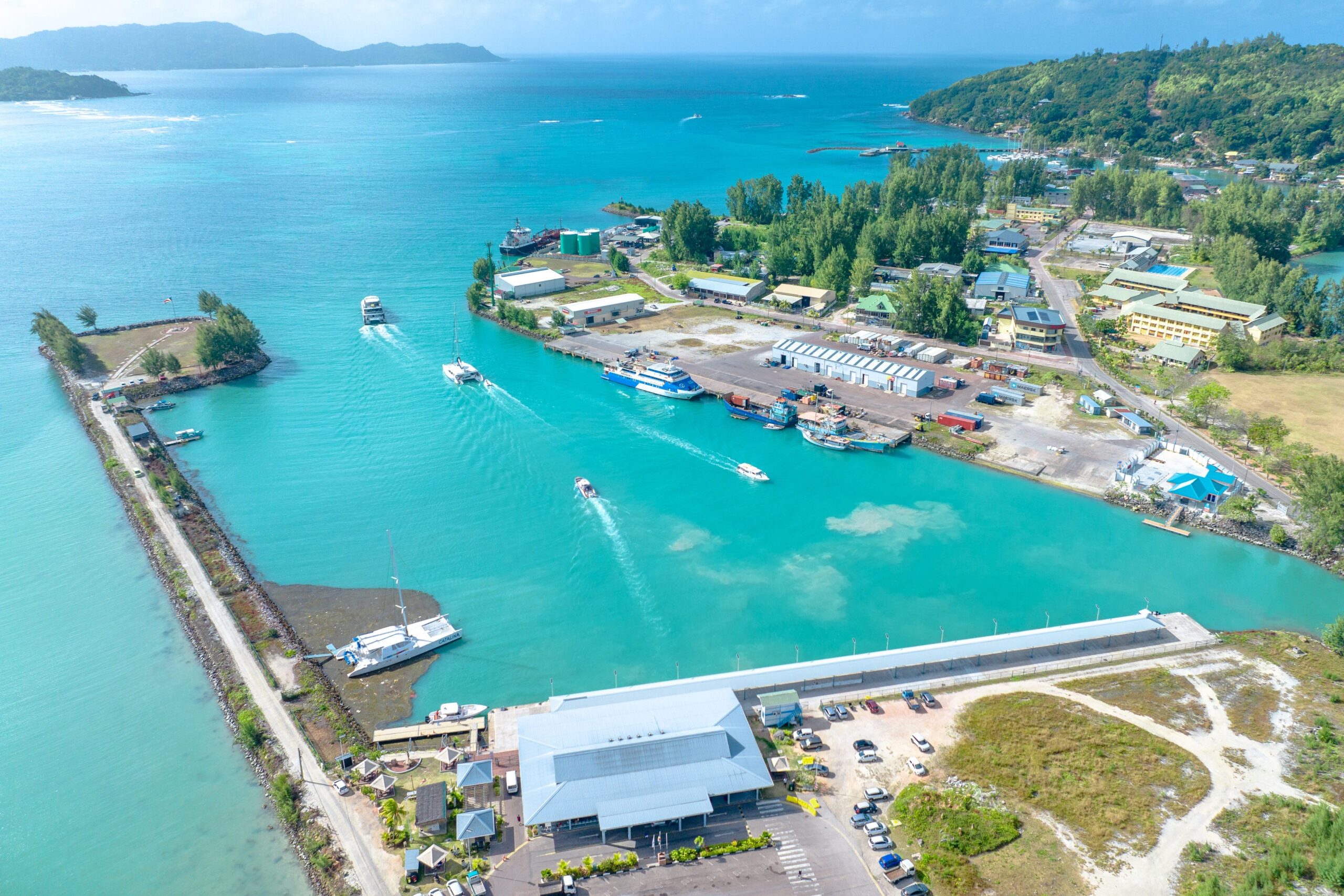
The Eve Island Cargo Terminal has revolutionised cargo handling and logistics on Praslin Island. Strategically located at Eve Island, this port facility was inaugurated in June 2015, serving as a dedicated hub for the efficient transportation of cargo between Mahe and the inner islands.
The terminal’s 160-meter quay, with a 5-meter draft, accommodates a range of cargo vessels, carrying cargo as break bulk and in containers. The warehouse facility, comprising eight units of 96 square meters, provides storage space for various types of cargo. This secure storage solution benefits both cargo vessel operators and customers, safeguarding their goods until collection.
The terminal also features an open storage yard for cargo containers and bulk materials, further enhancing its capacity to handle diverse cargo types. This infrastructure upgrade has significantly reduced turnaround times for cargo vessels, improving overall efficiency and reducing logistical bottlenecks.
The development of the Eve Island Cargo Terminal was driven by the increasing demand for cargo transportation between the Mahe, Praslin and La Digue. The previous system, which relied on the multipurpose facility at Baie Ste Anne (the former passenger and cargo terminals), was becoming congested and inefficient due to the growing number of passenger ferries and cargo vessels. The new terminal, with its dedicated facilities and ample space, has alleviated these constraints and streamlined cargo operations.
The terminal’s design incorporates a 40-meter landing ramp, capable of accommodating two landing craft vessels simultaneously. This feature allows for efficient roll-on, roll-off operations, further optimising cargo handling processes.
ERO Passenger Terminal
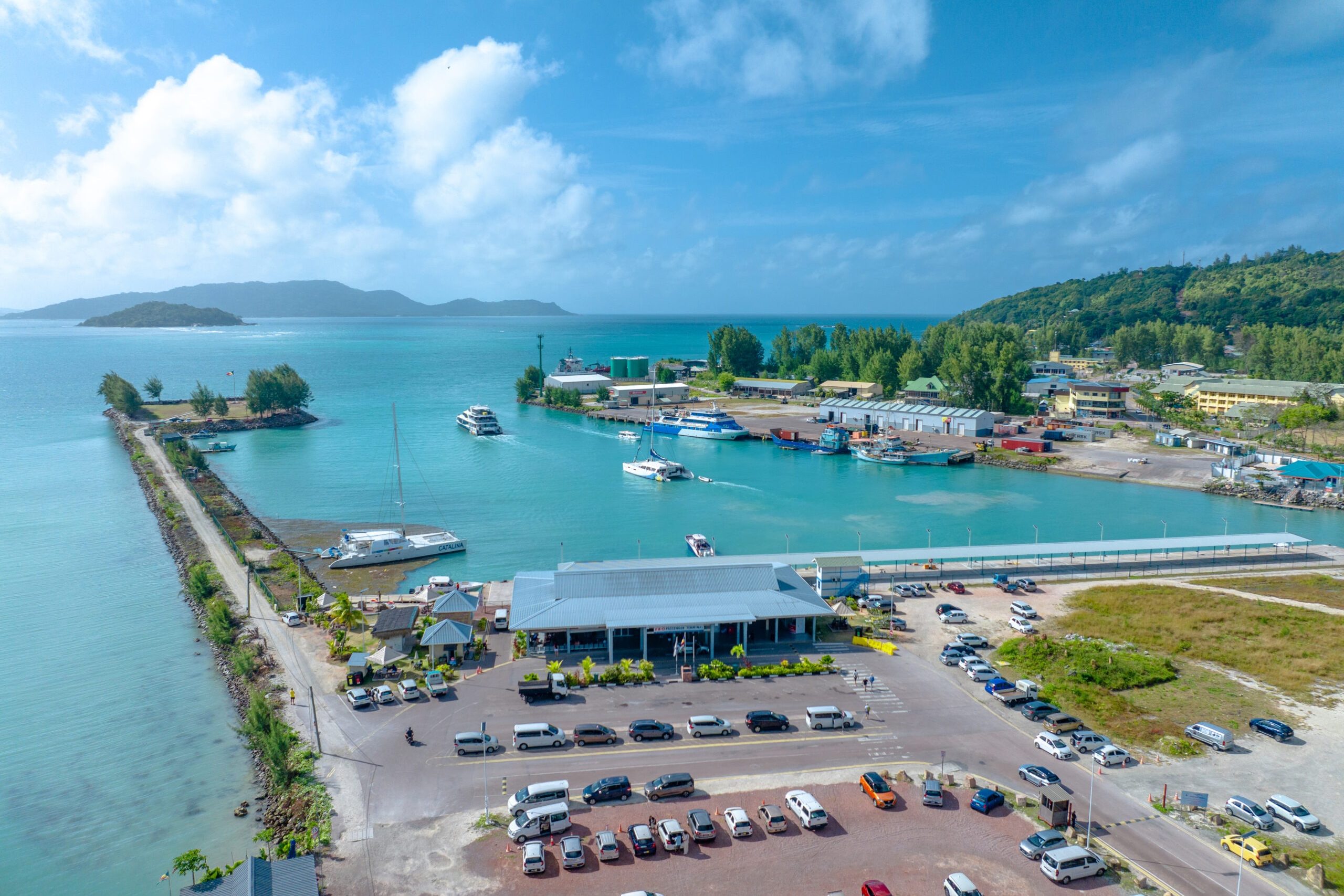
The ERO Passenger Terminal, located on Kato Nwanr Island, Praslin, is a modern and efficient facility that has significantly enhanced passenger travel experience within the inner islands. Officially opened in March 2023, this new terminal replaced the aging and congested quay at Baie Ste Anne, which had become inadequate to accommodate the growing number of passengers ferries.
The new quay, completed in 2020, is 150 meters in length with a draft of 5 meters. It provides ample space for larger ferries to call at the same time. This increased capacity has created the opportunity for ferry operators to increase the size of their vessels and frequency of their port calls.
The terminal offers a range of services to cater to the needs of both local residents and tourists. In addition to ferry operations, the facility houses offices for destination management companies (DMCs), taxi and car rental services, currency exchange, and food outlets.
Regular ferry services are operated by Inter Island Boats Limited (Cat Cocos) and Inter Island Ferry (Pty) Ltd (Cat Rose). The latter company, offers six daily round trips between Praslin and La Digue, utilizing its high-speed ferries, Cat Rose I, Cat Rose II, and Cat Rose III. These vessels can accommodate around 150 passengers and complete the journey in just 15 minutes. Cat Cocos, departing from Inter Island Quay on Mahe destined for Praslin or La Digue, call at ERO Terminal four times daily.
SPA generates revenues from its domestic passenger facilities through passenger fees paid by ferries and other passenger vessels for use of these terminals, as well as berthing fees as defined in the Harbour Dues Regulations.
Ferry passengers include residents who travel between the islands for work and to visit friends and relatives, and foreign visitors, who prefer to stay on the quieter, slower-paced islands for their whole stay or those staying on Mahe Island undertaking day trips on Praslin and/or La Digue. The number of passengers had been on a steady increase between 2015 and 2019, peaking at over 1.3m voyages in 2019. During the COVID-19 years of 2020 and 2021, with the sharp decline in foreign visitors in Seychelles, the number of voyages dropped to just above 400,000 voyages during these years. The trend was reversed in 2022.
La Digue Passenger and Cargo Terminals
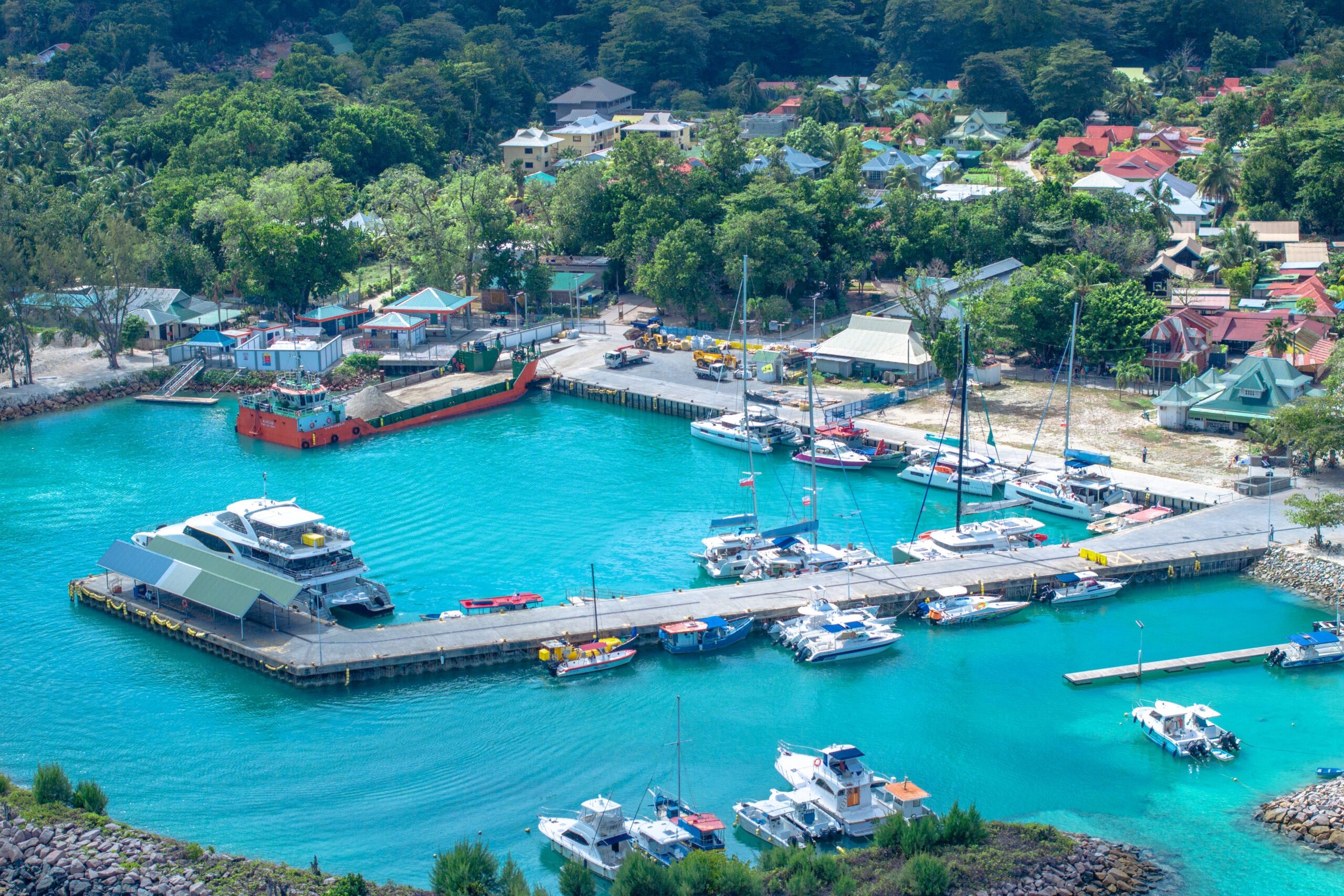
The La Digue Port Facility, situated at La Passe, serves as the vital lifeline for La Digue Island. Due to its geography, the island lacks an airport. Therefore, all goods and people must be transported by sea, making the port facility crucial for both local residents and tourists. To accommodate the increasing demand for goods and voyages between La Digue and Mahe, and La Digue and Praslin, and to improve overall efficiency, SPA is currently redeveloping the port facilities on La Digue.
Key to this redevelopment is the deepening of the harbour basin, allowing larger vessels to access the berths safely. Additionally, a new quay wall has replaced the old retaining wall, providing increased berthing space for yachts, leisure boats, and ferries like Cat Rose and Cat Cocos. The construction of a new, larger, and more modern passenger terminal to replace the existing passenger shelter will further enhance the passenger experience.
While the port serves multiple purposes, similar to the Inter-Island Quay, this can lead to operational inefficiencies and potential safety risks. SPA is exploring options to eventually separate passenger and cargo operations into dedicated facilities, optimizing the port’s functionality and ensuring a safer environment for all users.