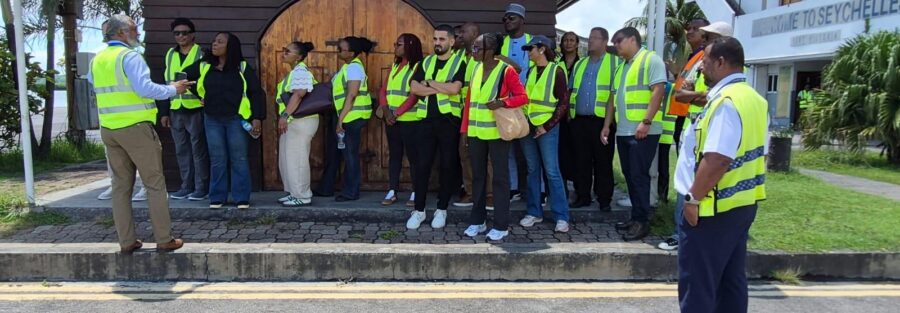
The Organisation for the Prohibition of Chemical Weapons (OPCW), in collaboration with the Ministry of Foreign Affairs and the Diaspora of Seychelles, organised a Chemical Safety and Security Seminar for the African Region from 6th to 8th October 2026 at Savoy Resort and Spa.
The seminar aimed to strengthen regional capacity in chemical safety and security, while promoting the effective implementation of obligations under the Chemical Weapons Convention (CWC).
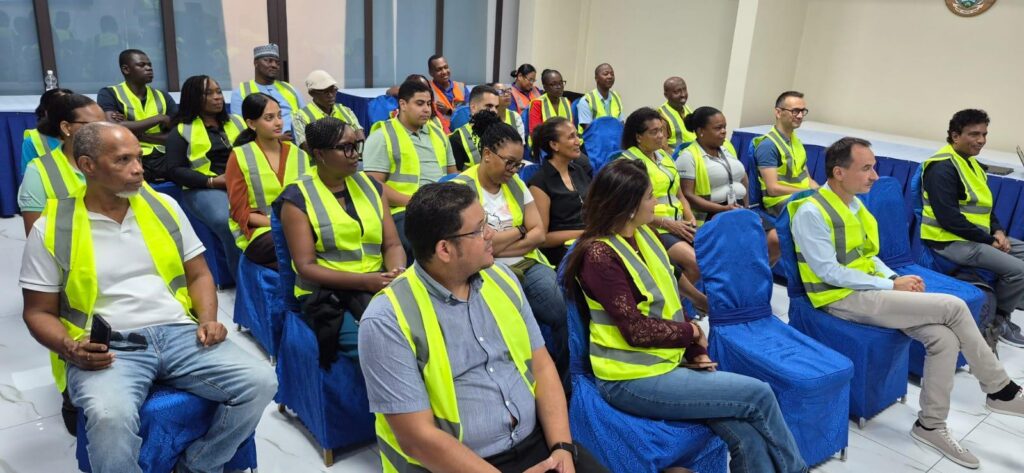
The event brought together international delegates from Sri Lanka, Italy and various African countries, including Mauritius and Seychelles. Local participating institutions included the Ministry of Foreign Affairs and the Diaspora, Seychelles Ports Authority (SPA), Seychelles Revenue Commission (SRC), Seychelles Fire and Rescue Services Agency, Department of Risk and Disaster Management, and the Ministry of Environment.
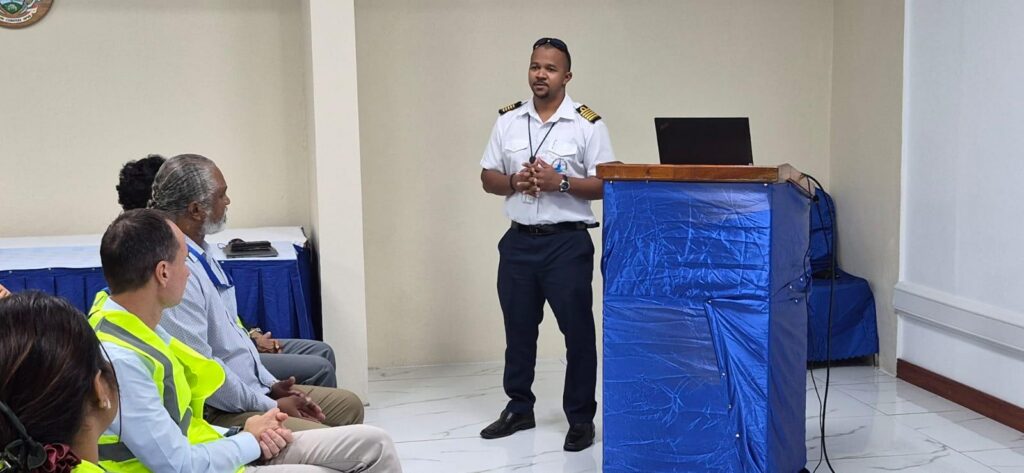
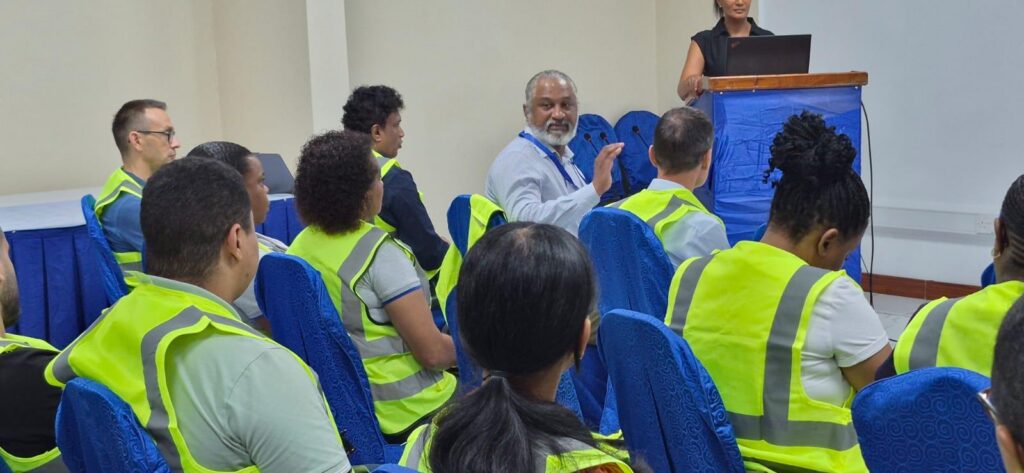
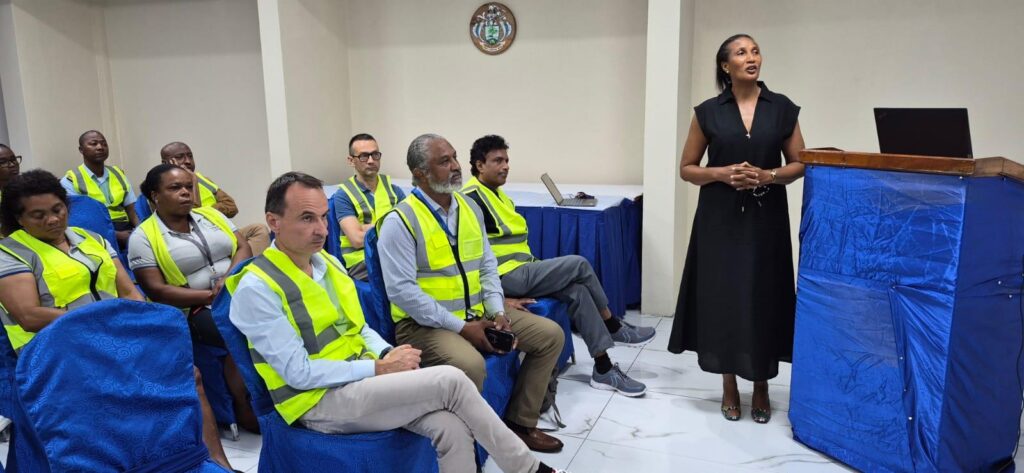
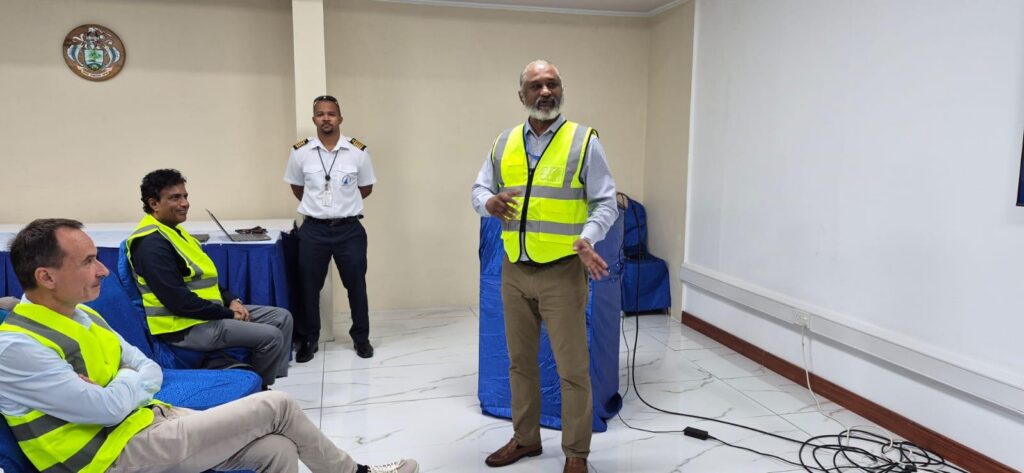
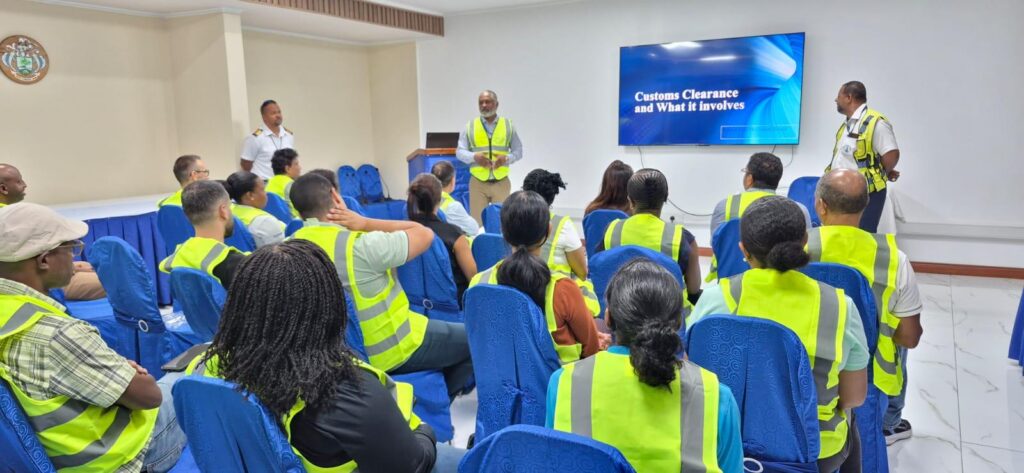
As part of the seminar programme, the Seychelles Ports Authority was invited to deliver a joint presentation with the Seychelles Revenue Commission on the safety and security measures governing chemical imports through the Commercial Port. The presentation took place on 7th October 2026 and provided participants with an insight into the procedures and operational considerations involved in receiving and clearing chemical consignments.
Representing SPA were Deputy Chief Executive Officer, Mr Ronny Matatiken; Harbour Master, Captain Jean-Paul Fanchette; and Port Facility Security Officer, Mr Jim Moncherry.
Their presentations highlighted the procedures implemented by the Authority to manage chemical imports safely and securely, taking into account the operational complexities of a multifunctional port where different cargo-handling activities and maritime operations take place simultaneously.
Particular emphasis was placed on the importance of managing the risks associated with chemical cargo while ensuring the safety of port personnel, vessels, infrastructure, other port users and the surrounding environment. The presentation also addressed the safety and security challenges associated with chemical imports, the measures applied during their handling and presence within the port, and the importance of timely clearance and removal to minimise the risks associated with prolonged storage.
These considerations underscore the need for effective coordination, risk management and adherence to established procedures to ensure that chemical consignments are managed responsibly without compromising the safety, security and efficiency of wider port operations.
On her side, Mrs Janette Dewea, Manager of Investigation at SRC, provided an overview of the customs clearance process for imported chemicals. She guided participants through the relevant clearance procedures, explaining the processes involved in facilitating the lawful and controlled release of chemical consignments.
The presentation highlighted the complementary roles of port authorities and customs officials in ensuring that chemical imports are appropriately managed, regulatory requirements are met, and the necessary procedures are followed before consignments are released from the port.
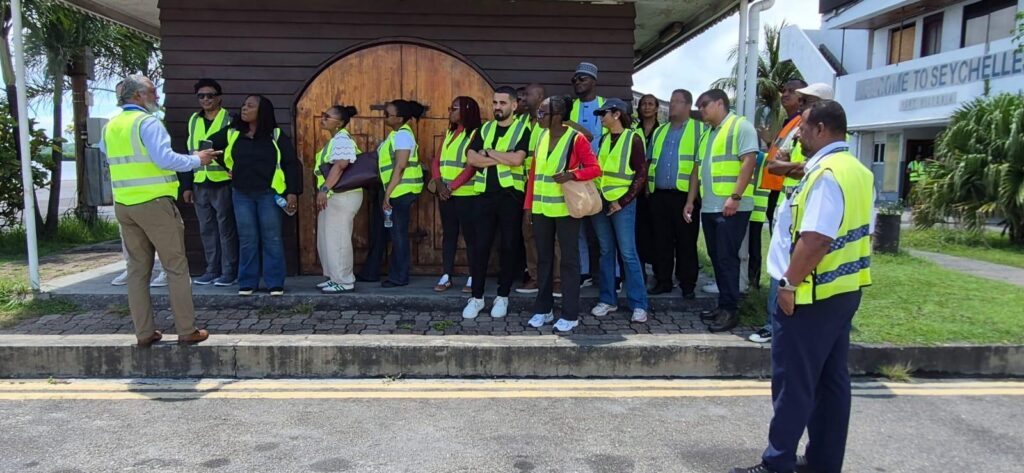
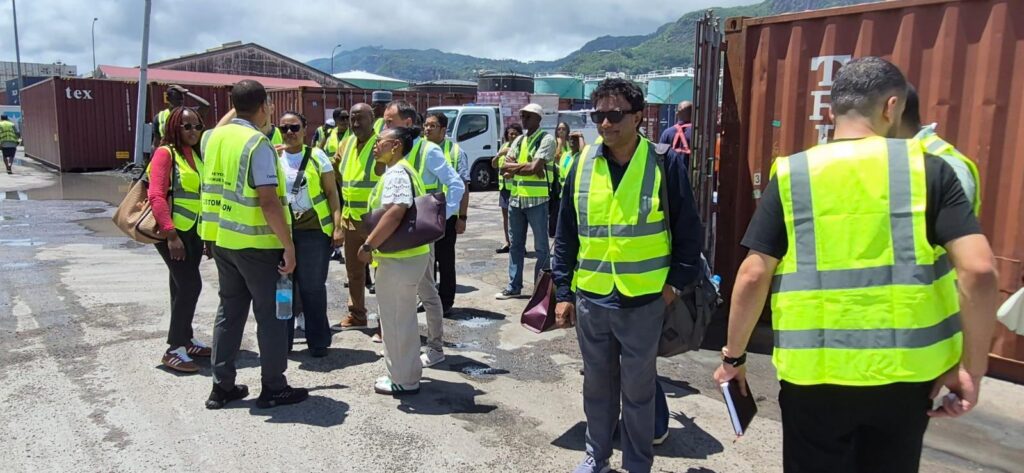
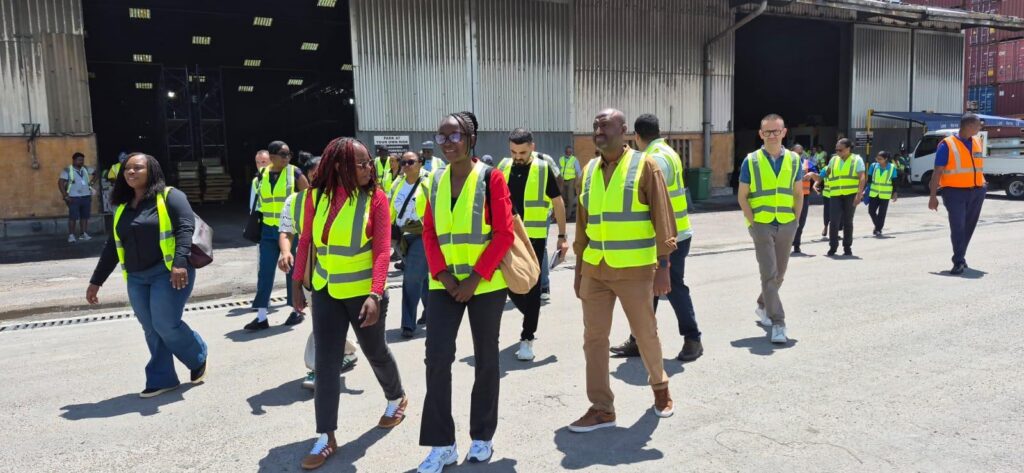
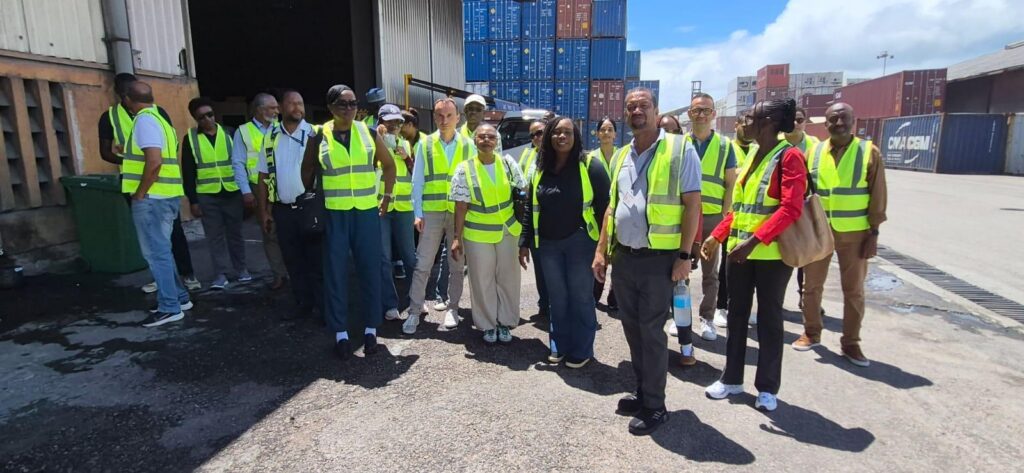
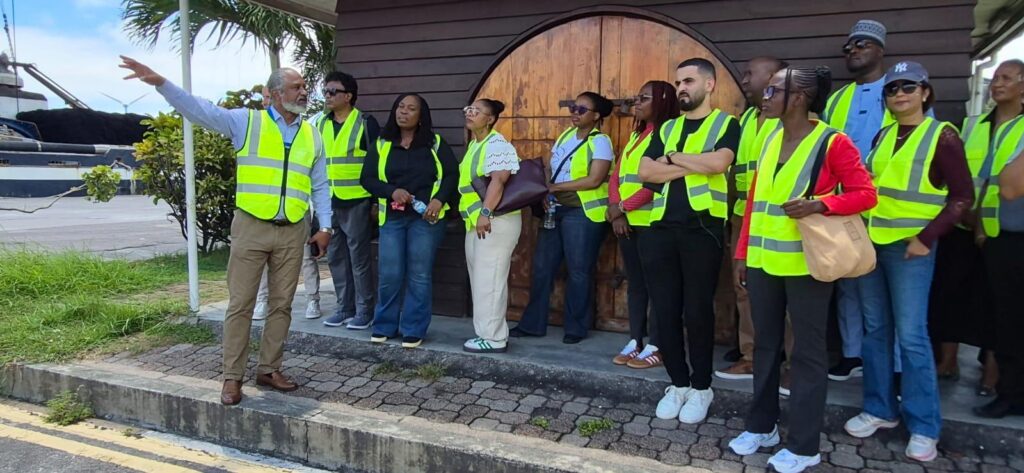
To complement the presentations, participants undertook a site visit to the port warehouses and container yard, providing a practical perspective on the procedures discussed during the seminar.
The visit was led by Mr Kelvin Didon and other SRC personnel responsible for customs clearance. It offered participants an opportunity to gain a better understanding of the operational environment, observe aspects of the cargo clearance process, and seek clarification on the procedures in place.